Introduction
The succubus is one of the most enduring and provocative figures in mythology and modern fantasy — a female demon who seduces men, drains them of vitality, and vanishes into the night. Whether viewed as a symbol of carnal temptation, supernatural power, or forbidden fantasy, the succubus has captivated imaginations across cultures and centuries.
From medieval grimoires to anime, video games, and gothic literature, the image of the succubus has evolved while retaining its core appeal: dangerous beauty, sexual dominance, and the power to both enchant and destroy.

1. What Is a Succubus?
A succubus (plural: succubi) is traditionally a female demon or supernatural entity that appears in dreams or in physical form to seduce men. The counterpart is the incubus, a male demon who seduces women.
Key Traits of Succubi in Folklore:
- Supernatural allure: They’re irresistibly attractive and seductive.
- Dream infiltration: Often visit their victims in sleep.
- Life force drain: Feed on the energy, vitality, or “essence” (in some traditions, semen) of their victims.
- Shape-shifting abilities: Can assume different forms to suit the desires of the target.
- Immortality and temptation: Represent the fusion of beauty and danger, desire and death.
In older mythologies, succubi were not just temptresses; they were viewed as deadly omens, causes of illness, or even explanations for sleep paralysis and nocturnal emissions.
2. Mythological Origins
The concept of the succubus dates back thousands of years, with various roots across cultures:
a. Lilith (Jewish Folklore)
One of the oldest succubus archetypes is Lilith, Adam’s supposed first wife before Eve, according to Jewish mysticism. After refusing to be subservient to Adam, Lilith fled Eden and became a demon who preyed on men, especially during the night.
b. Mesopotamian Origins
The mythological predecessors of Lilith, such as Lilu and Lilitu, were wind demons who roamed the night seducing and harming humans.
c. Christian Demonology
Medieval Catholic texts such as Malleus Maleficarum (1487) labeled succubi as agents of Satan who tempted monks and pious men. They were blamed for lustful dreams, sexual temptation, and unexplained ailments.
3. The Succubus in Popular Culture
In modern media, the succubus has undergone a significant transformation — from a terrifying dream demon to an empowered, often sympathetic character who navigates desire, morality, and personal identity.
Modern Themes:
- Erotic empowerment: Succubi are often portrayed as sexually liberated, reversing the traditional male-female power dynamic.
- Sympathetic demons: Some are shown struggling with their nature or seeking love, not just lust.
- Comic relief or romantic leads: In anime and games, many succubi are humorous, awkward, or even wholesome despite their seductive role.
This evolution reflects changing cultural attitudes about sexuality, gender roles, and taboo fantasy.
4. Most Popular Succubi in Modern Media
Here’s a look at some of the most iconic succubus characters across anime, games, and Western fantasy — and why they stand out.
1. Morrigan Aensland (Darkstalkers)
Media: Capcom’s Darkstalkers fighting game series
Why She’s Popular:
Morrigan is the quintessential modern succubus. With her bat wings, green hair, voluptuous figure, and teasing attitude, she’s confident, powerful, and unapologetically sexual. Despite being a demon, she’s more mischievous than malevolent. Her popularity endures because she blends combat prowess with seductive charisma.
2. Albedo (Overlord)
Media: Overlord (anime and light novel series)
Why She’s Popular:
Albedo is technically a succubus and the Overseer of the Floor Guardians in Nazarick. She’s beautiful, intelligent, and obsessively loyal to her master, Ainz Ooal Gown. Her combination of elegance, lethal power, and unhinged devotion (to comedic extremes) makes her a fan favorite.
3. Kurumu Kurono (Rosario + Vampire)
Media: Rosario + Vampire (anime/manga)
Why She’s Popular:
Kurumu is a high school succubus with heart. Though she initially uses her powers to seduce the main character, Tsukune, she later develops genuine feelings. Her struggle to be loved for who she is, not just her looks, humanizes the archetype and resonates with viewers.
4. Lilith (Various Media)
Media: Diablo IV, Darksiders, Fate/Grand Order, and various legends
Why She’s Popular:
Lilith is the ultimate mythological succubus. Across multiple franchises, she’s depicted as regal, cunning, and commanding — a goddess or queen of demons rather than a mere temptress. Her depiction ranges from mother of humanity to apocalyptic seductress.
5. Saya (OC and Fan-Based Media)
Media: Often appears in indie games, fan stories, or fantasy-themed erotic art
Why She’s Popular:
Succubus Saya is a newer name associated with fan works, NSFW illustrations, and fantasy gaming. Typically portrayed in a latex outfit or black bikini, Saya often uses “Lust Drain” abilities in stories. Her allure lies in her modern fantasy design: exotic, seductive, and clearly magical.
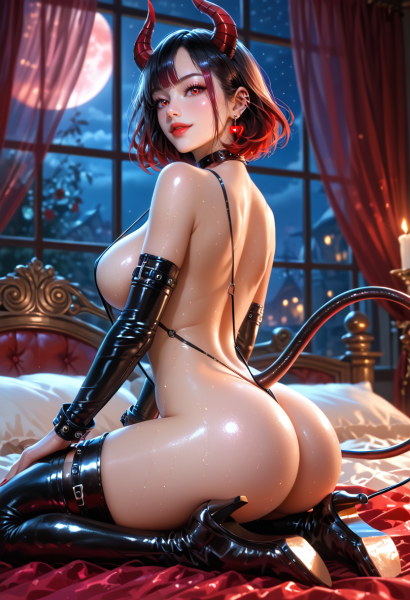
6. Succubus (Skyrim Mods / Witcher DLCs)
Media: Skyrim, The Witcher 3
Why She’s Popular:
In games like The Witcher 3, succubi are portrayed as intelligent, philosophical beings — not inherently evil, but victims of their own nature. These characters challenge players’ morality, offering quests that involve choosing between compassion and duty.
7. Queen of Pain / Akasha (Dota 2)
Media: Dota 2
Why She’s Popular:
While not labeled a “succubus” per se, Akasha embodies the essence: seductive voice lines, a dominatrix-like appearance, and abilities centered around screams, pain, and torment. She’s a mainstay of fan art, cosplay, and gaming circles.
5. Why Are Succubi So Popular?
The appeal of succubi goes far beyond visual design. Several psychological, cultural, and narrative reasons explain their enduring popularity:
1. Embodiment of Temptation and Taboo
Succubi represent unfiltered desire — the kind that breaks social rules and taps into subconscious fantasies. In fantasy settings, they often challenge characters’ moral limits and fears, making them symbolically rich.
2. Female Power and Control
In a genre often dominated by male characters, succubi reverse the dynamic. They are predators, not prey. Their control over desire makes them figures of sexual empowerment, appealing to those interested in dominant female characters who own their identity.
3. Blending Danger and Desire
Succubi are the perfect fusion of pleasure and peril. The idea of something so attractive being deadly taps into primal instincts. The conflict between attraction and survival creates a potent narrative device.
4. Visual and Aesthetic Allure
Most succubi are drawn or rendered with immense visual detail — wings, horns, tail, revealing outfits. The fantastical aesthetics contribute to their popularity in cosplay, fan art, and merchandise.
5. Redemption Arcs and Hidden Depths
Modern media often portrays succubi as multifaceted, not evil for evil’s sake. They can be lonely, longing for real affection, or questioning their role in a world that only sees their seductive side. These humanized traits create emotional connections.
6. Succubi in Erotica and Adult Fantasy
Succubi are a natural fit for adult stories and fantasy romance. Whether it’s lighthearted seduction or darker, more explicit tales, succubi are mainstays of NSFW art, literature, and games. Their powers — often involving draining life-force through sex — blur the lines between magic and intimacy.
Examples include:
- Visual novels featuring succubi love interests
- Adult comics that explore succubi as dominant partners
- Role-playing games with lust-based mechanics
- Erotic audio / ASMR themed around seduction and submission
These stories explore fantasies without moral consequences, creating a safe space for curiosity and self-expression.
7. Criticisms and Misinterpretations
Not all representations of succubi are positive. Critics argue that some portrayals:
- Reinforce female-as-temptress tropes
- Rely on oversexualization without substance
- Use succubi as excuses for lazy storytelling or fan service
However, when done well, succubi can challenge taboos, explore power dynamics, and serve as metaphors for personal autonomy.
Conclusion
The succubus is more than just a fantasy trope — she is an evolving symbol of power, seduction, and the struggle between desire and danger. Whether rooted in ancient legend or reimagined in anime and gaming, the succubus remains a captivating figure for both creators and audiences.
From Morrigan’s playful mischief to Albedo’s obsessive devotion, Lilith’s mythic grandeur to Saya’s fan-driven mystique, succubi continue to seduce not just characters in fiction, but the imagination of global pop culture.
They remind us that attraction, like magic, can be both a blessing and a curse — and that sometimes, the monsters we fear most are the ones we secretly desire.
 Sexy Butt Mouse Pads